

RSV Vaccine
Learn about the options available to help protect your baby against Respiratory Syncytial Virus (RSV) during their first months of life.
Quick Facts
-

RSV is a common virus that spreads easily.
Respiratory syncytial virus (RSV) is a virus that infects the nose, throat, and lungs. It is most common in the fall and winter months and spreads easily through coughs, sneezes, or contact with contaminated surfaces.
-

Newborn babies are most at risk of severe RSV.
Babies under 6 months are more likely to get very sick from RSV. It can cause serious breathing problems and lung infections and is a leading cause of hospitalization in babies under 1 year old.
-

There are new options available to protect babies from RSV.
Pregnant people can get the RSV vaccine (RSVpreF) during pregnancy, or babies can get an RSV antibody (Nirsevimab) shortly after birth. The best option depends on availability, cost, and personal preference.
-

The maternal RSV vaccine is given in the third trimester of pregnancy.
The RSVpreF vaccine is recommended between 32 and 36 weeks of pregnancy. After vaccination, your body makes protective antibodies that are passed to your baby through the placenta, helping protect them from RSV after birth.
-

The maternal RSV vaccine helps protect babies from severe illness.
Babies whose parent got the RSV vaccine during pregnancy are much less likely to get seriously ill or need hospital care. Protection lasts up to 6 months after birth, when babies are most vulnerable.
-

The maternal RSV vaccine is safe in pregnancy.
The RSVpreF vaccine was specially designed and tested for use during pregnancy. Studies confirm it is safe for both pregnant individuals and their babies and does not increase the risk of complications.
Protecting Against RSV
Respiratory Syncytial Virus or ‘RSV’ is a highly contagious virus that can cause serious illness in young babies. Around 20 to 30% of babies who get RSV develop serious infections like bronchiolitis (inflammation of the small airways) or pneumonia (lung infection).¹⁻³
Babies are most vulnerable to severe RSV infections in the first few months after they are born. Fortunately, there are new options available to help protect babies from severe RSV illness.
-

Maternal RSVpreF Vaccine (Abrysvo)
Pregnant people can get this vaccine between 32 and 36 weeks of pregnancy. It helps the body make protective antibodies, which are passed to the baby through the placenta before birth. These antibodies help protect the baby from RSV in the first months of life. The vaccine was specially designed and tested for use during pregnancy.⁴
-
Infant RSV Antibody (Nirsevimab)
Babies can get this one-time injection soon after birth (if they are born during RSV season) or just before or at the start of the season. Instead of teaching the body to make its own antibodies, this shot gives babies ready-made antibodies that begin working right away and help protect them during the first few months of life, when the risk of serious RSV illness is highest.⁴

About RSV
Respiratory syncytial virus (RSV) is a common seasonal virus that spreads easily from person to person. Each year, RSV causes millions of hospitalizations and around 120,000 deaths worldwide in children under the age of five.⁵
RSV is especially dangerous for babies in their first 6 months of life.²˒⁶ A study of children’s hospitals across Canada found:
Half of all RSV hospitalizations were in babies under 6 months old.²
Nearly 40% were in babies between 0 and 2 months old.²
About 60% of babies who needed intensive care were between 0 and 5 months old.²
RSV infections usually start with symptoms like a runny nose, dry cough, low-grade fever, sore throat, and sneezing. But in young babies, it can become more serious and lead to bronchiolitis (inflammation of the small airways in the lungs) or pneumonia, which can cause severe cough, wheezing, and difficulty breathing.
-
When someone with RSV coughs or sneezes, tiny droplets with the virus go into the air. If you breathe in these droplets, you can get infected. You can also catch RSV by touching a surface (like a toy, table, or doorknob) that has the virus on it, and then touching your eyes, nose, or mouth before washing your hands. RSV can also spread through close contact, like kissing a baby or child who has RSV.
-
Babies under 6 months old are at the highest risk of getting very sick from RSV and ending up in the hospital. The risk goes down as babies get older, but RSV can still cause serious illness after six months.4
RSV can lead to serious complications, including:
Pneumonia (infection of the lungs)
Bronchitis or bronchiolitis (inflammation of the small airways in the lungs)
Apnea (slow or stopped breathing)
In some cases, RSV can be life-threatening. Most deaths from RSV happen in babies under 3 months old.1, 7 Some babies are more likely to get very sick from RSV, such as those born prematurely (early) or those with heart, lung, or other long-term health conditions.1
-
During pregnancy, your body works harder to support your growing baby. You’re breathing for two and pumping blood for two, meaning your heart and lungs are doing extra work to keep you both healthy. These changes can make it harder for your body to fight off infections.
Respiratory infections like RSV can be harder on your body during pregnancy and may lead to complications for you and your baby, even if you are otherwise healthy.
There are only a few reports of severe RSV infections in pregnant people that required hospital or intensive care.⁸ We still have limited information about how often RSV happens during pregnancy or how serious it can be. This is partly because, until recently, doctors didn't routinely test pregnant people with respiratory infections to identify the specific germ causing the illness.
-
RSV is very common. In Canada, most RSV infections occur between the fall and the early spring. RSV is the leading cause of serious lung infections like bronchiolitis (swelling of the small airways) and pneumonia (lung infection) in babies and young children.¹
About 20 to 30% of babies who get RSV will develop bronchiolitis or pneumonia.¹
Nearly 1 in 4 children with RSV need care in an intensive care unit (ICU).²
About 60% of RSV-related ICU admissions are in babies under 6 months old.²
-
Since 2023, there are new options available in Canada to help protect young babies from severe illness and hospitalization caused by RSV:
Maternal RSVpreF vaccine (Abrysvo™): Given between 32 and 36 weeks of pregnancy, this vaccine helps your body create protective antibodies that are passed to your baby before birth. These antibodies help protect your baby during the first months of life, when the risk from RSV is highest.
Infant RSV antibody (Nirsevimab): A one-time injection given to babies shortly after they are born. It provides ready-made antibodies that help protect your baby against RSV during their first few months of life, when they are most vulnerable.
The choice between the maternal vaccine and the infant RSV antibody depends on your personal preference, the availability of each product in your province or territory, and cost. Talk to your healthcare provider for more information on what's available in your province or territory.
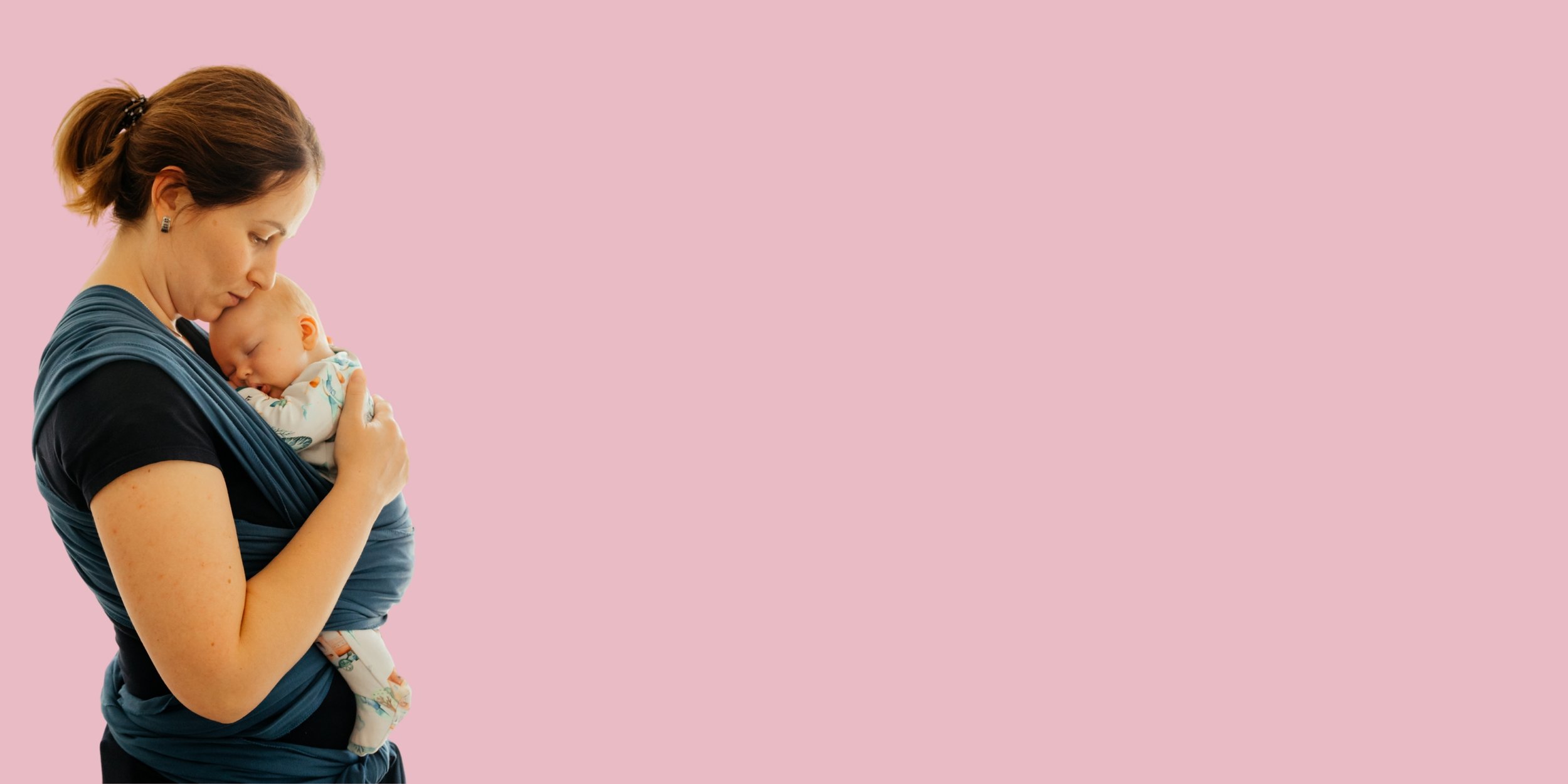
RSV is most dangerous for babies during their first six months of life.

Maternal RSVpreF Vaccine (Abrysvo)
The maternal RSVpreF vaccine (Abrysvo™) was approved by Health Canada in 2023 to help protect newborns from serious illness caused by RSV.⁴ This vaccine was specially designed for use during pregnancy and has been tested in pregnant individuals around the world. It is given between 32 and 36 weeks of pregnancy. RSVpreF (brand name – Abrysvo) is the only RSV vaccine currently recommended for use during pregnancy in Canada.
After vaccination, your body makes infection-fighting antibodies that pass through the placenta to your baby. These antibodies help protect your baby during the first few months of life, when they are most at risk of becoming seriously ill from RSV. The vaccine targets the two most common types of RSV in Canada and helps protect your baby for up to 6 months after birth.⁴
-
Vaccines work by training your immune system to recognize and fight off harmful viruses—without making you sick. They do this by safely introducing a small, harmless piece of the virus to your body. This teaches your immune system how to recognize the virus and respond if you’re exposed to it later.
The RSVpreF vaccine contains harmless proteins from the two most common types of RSV (RSV-A and RSV-B).9 These proteins can’t cause an infection, but they help your immune system recognize RSV and learn how to respond if you’re exposed to it in the future.
Within about two weeks of getting the RSVpreF vaccine, your body produces protective antibodies against the RSV virus. During pregnancy, these antibodies naturally pass through the placenta to your baby, helping protect them after birth.
These antibodies help protect your baby against serious RSV illness and hospitalization during their first few months of life, when they are most vulnerable.4,9
-
The RSVpreF vaccine helps your immune system prepare to fight off RSV without causing an actual infection.
The vaccine contains safe, harmless proteins from the two most common types of RSV: RSV-A and RSV-B.9
When your immune system detects these proteins, it produces protective antibodies against the virus.
During pregnancy, these antibodies naturally pass through the placenta to your baby. This provides early protection against RSV during their first few months of life, when they are most vulnerable to serious illness. Some antibodies may also be passed through breastmilk.9
See video: How Vaccines Protect Moms and Babies
-
Getting the RSVpreF vaccine during pregnancy helps protect your baby from severe RSV illness in their first few months of life.9,10 While babies whose parent received the vaccine can still get RSV, they’re much less likely to become seriously ill or need hospital care.
Clinical studies show that the maternal RSV vaccine helps protect babies by:
Reducing the risk of severe RSV illness by about 82% in the first 3 months after birth, andabout 69% in the first 6 months after birth.9
Lowering the chance of RSV-related hospitalization by about 79% in the first 3 months, and about 71% in the first 6 months after birth.11,12
Helping to prevent serious complications from RSV, such as low oxygen levels, needing a breathing machine, or being admitted to an intensive care unit (ICU).9,10
The vaccine is given to pregnant people between 32 and 36 weeks of pregnancy. After you get the vaccine, it takes about 2 weeks for your body to make protective antibodies that can be passed to your baby. That’s why it’s important to get the vaccine at least 2 weeks before your baby is born.

When you get the RSV vaccine in pregnancy, you pass protective antibodies to your baby that help protect them from RSV after they are born.

Infant RSV Antibody (Nirsevimab)
The RSV infant antibody (Nirsevimab) is a type of RSV protection given to babies as a single shot shortly after birth. It contains ready-made antibodies that help protect your baby right away. This is called passive immunization—instead of your baby’s body making its own antibodies, they’re given directly through the shot. These antibodies work by blocking the RSV virus from entering your baby’s cells. That helps stop the virus from spreading and causing serious illness.13
Research shows that Nirsevimab protects babies from severe RSV illness and hospitalization for at least 5 months after they are born, which covers a typical RSV season.13 This early protection matters because babies are most at risk of getting very sick from RSV in their first few months of life. As of 2025, Nirsevimab is available in some provinces and territories in Canada, but not all. Talk to your healthcare provider to find out what’s available in your area.
-
The RSV infant antibody (Nirsevimab) is given to babies as a single shot shortly after birth. It contains pre-made antibodies that start working right away to protect your baby. Because the antibodies are already made, your baby doesn’t need to build their own. This type of protection is called passive immunization.
Nirsevimab works by attaching to the RSV virus and stopping it from entering your baby’s cells, which helps prevent the virus from spreading and causing illness. Studies show that it protects babies from severe RSV illness and hospitalization for at least five months after birth, covering a typical RSV season.13
-
The infant RSV antibody (Nirsevimab) gives your baby ready-made antibodies that start working right away to help protect them. Because the antibodies are already made, your baby’s body doesn’t need to make them on its own. This kind of protection is called passive immunization, which means the body is given ready-made defences (antibodies) rather than having to produce them. Once in your baby’s system, these antibodies attach to the RSV virus and block it from entering cells. This helps stop the virus from spreading and lowers the chance of your baby getting seriously ill from RSV.
-
The infant RSV antibody (Nirsevimab) is given to babies shortly after they are born and helps protect them from getting seriously ill with RSV. Babies who get Nirsevimab can still get RSV, but they are much less likely to become very sick or need hospital care.
While it doesn’t prevent all RSV infections, studies show that Nirsevimab lowers the risk of hospitalization by 79 to 82% during a baby’s first RSV season.12 Protection begins right after the shot is given and lasts for at least 5 months, which covers the length of a typical RSV season.13
-
As of the 2025–2026 RSV season, Nirsevimab is available in many parts of Canada, but programs are not the same everywhere. Each province and territory decides who can get it, based on supply, funding, and local health priorities.
In some regions, like Ontario, Québec, Saskatchewan, Prince Edward Island, Yukon, Northwest Territories, and Nunavut, nirsevimab is offered free of charge to all or most infants.
In other provinces, including Alberta, British Columbia, Manitoba, and New Brunswick, it is usually limited to high-risk infants or young children (for example, babies born very prematurely or with certain medical conditions).
Some of these provinces may still use palivizumab, an older antibody that requires monthly injections during RSV season, for high-risk babies.
Because programs are different across the country, and they may change from year to year, it’s best to ask your healthcare provider or local public health office to see if Nirsevimab is available for your baby where you live.
Which Option is Best for Me and My Baby?
As of 2025, only one RSV protection option is recommended for each baby—either the maternal RSV vaccine during pregnancy or the infant RSV antibody given after birth. Each option provides strong protection on its own, and using both hasn’t been shown to offer any extra benefit for most babies. This recommendation could change in the future as more research becomes available. While both options are safe and effective, the best choice for you may depend on things like what’s available in your province or territory, your personal preferences, and whether the cost is covered by your province or territory.
As of Fall 2025:
The RSV antibody (Nirsevimab) is available in some provinces and territories across Canada, but not all. In some areas, Nirsevimab is only available for babies at higher risk of severe RSV illness, such as those born prematurely (before 37 weeks), those with certain lung or heart conditions, or babies living in very remote communities.
The maternal RSVpreF vaccine (Abrysvo) is currently only publicly funded in Ontario, where eligible pregnant individuals can get it for free. In all other provinces and territories, the maternal RSVpreF vaccine can be purchased at select pharmacies with a prescription from a healthcare provider. Some private insurance plans may help cover the cost.
Scroll through the boxes below to see what’s currently available in each province and territory. Programs and coverage may change, so it’s a good idea to talk with your healthcare provider about the best option for you and your baby.
RSV Vaccine Safety
-
Yes, it’s safe to get the maternal RSVpreF vaccine during pregnancy.9,10 The vaccine contains a small, harmless piece (protein) from the RSV virus that helps your body learn how to recognize and fight RSV if you’re exposed to it later. Because it doesn’t contain a live virus, the RSVpreF vaccine can’t give you RSV and won’t harm your baby.
The RSVpreF vaccine (brand name Abrysvo™, made by Pfizer) is currently the only RSV vaccine recommended for pregnant people in Canada.
-
No, the RSVpreF vaccine does not increase the risk of complications during pregnancy or birth.9,10 In fact, getting the vaccine helps protect both you and your baby by lowering the risk of serious illness caused by RSV.
What makes this vaccine unique is that it was specifically tested in pregnant people as part of large international studies.9,10 This gave researchers strong, real-world evidence showing that the vaccine is safe and effective during pregnancy.9,10
Here’s what the studies show:
In studies conducted in Argentina and South Africa, preterm births (babies born before 37 weeks) occurred in 5.6% of pregnant people vaccinated between 24 and 36 weeks of pregnancy, compared to 4.7% of those who did not get the vaccine.9,14,15
However, when the vaccine was given during the recommended timeframe of 32 to 36 weeks of pregnancy, preterm births happened in 4.2% of vaccinated individuals and 3.7% of those who weren’t vaccinated.9,14,15 These small differences were not statistically significant, meaning they could have happened by chance.
To put this into perspective, about 8% of babies in Canada are born prematurely. This means the rates of preterm birth seen in the vaccine studies were actually lower than what’s normally expected in the general population.4
Other studies in places like Canada, the United States, and Europe found no difference in preterm birth rates between those who got the RSV vaccine during pregnancy and those who didn’t.4,16
There is also no evidence that the RSVpreF vaccine affects future fertility or increases the risk of miscarriage.4,16
-
No, you and your baby cannot get RSV from either the maternal vaccine or the infant antibody.
The maternal RSV vaccine (RSVpreF) given during pregnancy does not contain the live virus. Instead, it uses a small, harmless piece of the virus (a protein) that helps your body build protection. This harmless protein can’t make you or your baby sick.
The infant RSV antibody (Nirsevimab) also does not contain the virus. It’s made of pre-made antibodies that help protect your baby from RSV, but there’s no virus in it — so it can’t cause an infection either.
-
Serious side effects from the maternal RSV vaccine or the infant RSV antibody are very rare.
Maternal RSV vaccine (RSVpreF)
After getting the RSVpreF vaccineduring pregnancy, some people may feel a bit tired or have soreness in the arm where they got the shot.4,9
Other common side effects include mild muscle aches, a headache, or redness where the shot was given.4,9
These symptoms are usually mild, short-lasting, and go away on their own within a day or two.9 They are a normal sign that your body is building protection against the virus.
Infant RSV antibody (Nirsevimab)
The most common side effects of the infant RSV antibodyare mild swelling, redness, or soreness where the shot was given.17,18 These reactions are usually brief and not serious.
No serious allergic reactions to Nirsevimabwere reported in clinical trials.18
-
Most people can safely get the maternal RSV vaccine during pregnancy.
If you’re feeling sick and have a fever, it’s best to wait until you’re feeling better before getting the vaccine.
You should not get the vaccine if you’ve ever had a severe allergic reaction (such as anaphylaxis) to any of its ingredients. If you’re not sure, your healthcare provider can help you review the ingredients and decide if it’s safe for you.
-
If your symptoms last longer than a couple of days, or if you are worried about how you feel after your vaccination, you can call your doctor or get help by calling the toll-free health information and advice phone service available in your province/territory:
British Columbia, Alberta, Saskatchewan, Ontario, Quebec, Nova Scotia, Newfoundland and Labrador, New Brunswick, Prince Edward Island, the Yukon, the Northwest Territories: Call 811
Manitoba: Call 1-888-315-9257
Nunavut: Call 211
You can also get help by visiting your nearest emergency department or urgent care centre. If you develop any serious symptoms that you think could be an allergic reaction after your vaccination, call emergency services right away by dialling 911.
RSV Vaccine Timing
-
The maternal vaccine is recommended between 32 and 36 weeks of pregnancy. It’s best to get the maternal RSVpreF vaccine soon before or during the RSV season. In Canada, the RSV season typically begins in late fall and lasts until spring, with most cases occurring between December through March. Talk with your healthcare provider for more information on when you can get the maternal RSV vaccine.
-
Yes! There is data available showing that you can safely get the maternal RSVpreF vaccine at the same time as the flu and Tdap vaccines.4,19 There is no data available yet on getting the maternal RSVpreF vaccine and COVID-19 vaccines together.4 Talk to your healthcare provider for more information on the best time to get vaccinated.
-
As of June 2024, only one dose (shot) of the maternal RSVpreF vaccine is recommended for pregnant people. Currently, there is not enough data to determine whether another dose might be needed in later pregnancies.4,19 The National Advisory Committee on Immunization (NACI) will continue to monitor the latest data and will update this recommendation once more information is available.
-
Yes, you can still get the maternal RSVpreF vaccine even if you've had an RSV infection before.4 Getting the vaccine boosts your immunity (protection) against RSV and helps make sure you and your baby are protected against future RSV infections.
Additional Information
-
Maternal RSV Vaccine (RSVpreF)
In most provinces and territories, the maternal RSV vaccine (RSVpreF) can be purchased at select pharmacies with a prescription from a healthcare provider. To find a participating pharmacy near you, visit: abrysvo.com/find-a-vaccine.
As of 2025, Ontario offers the maternal RSV vaccine free of charge to eligible pregnant individuals through its public health program. If you live in Ontario, talk to your healthcare provider to learn more about where and how to get the vaccine.
Infant RSV Antibody (Nirsevimab)
The infant RSV antibody (Nirsevimab) is not available for purchase at pharmacies. Instead, it’s provided through public health programs in certain provinces and territories.
As of 2025, Ontario, Quebec, Yukon, and Nunavut offer Nirsevimab free of charge to all eligible babies during their first RSV season. If you live in one of these areas, talk to your healthcare provider for more information about how to access it.
In provinces where Nirsevimab is not yet available, a different antibody treatment called Palivizumab may still be used. Palivizumab is only offered to high-risk babies and requires monthly injections throughout the RSV season.
More provinces may begin offering Nirsevimab in the future. To find out what’s currently available where you live, speak with your healthcare provider or check with your local public health unit.
-
Getting the maternal RSV vaccine during pregnancy or the infant RSV antibody after birth are the most effective ways to protect your baby from RSV. You can also lower your baby’s risk of getting sick by:
Keeping your baby away from people who are sick, especially during RSV season (fall and winter).
Asking anyone who holds or cares for your baby to wash their hands first, and to cover their mouth and nose when they cough or sneeze.
Avoiding crowded indoor spaces, especially for babies under 6 months, when possible.
These everyday steps, combined with vaccination or antibody protection, can help keep your baby safe during their most vulnerable months.
-

Both the maternal RSVpreF vaccine and the infant antibody help protect young babies from severe illness and hospitalization.
Key Facts
-
1. Public Health Agency of Canada. Respiratory syncytial virus (RSV) vaccines: Canadian Immunization Guide [Internet]. Government of Canada. Updated Mar 13, 2025. Accessed March 28, 2025. https://www.canada.ca/en/public-health/services/publications/healthy-living/canadian-immunization-guide-part-4-active-vaccines/respiratory-syncytial-virus.html
2. Bourdeau M, Vadlamudi NK, Bastien N, et al. Pediatric RSV-Associated Hospitalizations Before and During the COVID-19 Pandemic. JAMA Netw Open. Oct 2 2023;6(10):e2336863. doi:10.1001/jamanetworkopen.2023.36863
3. Mitchell I, Defoy I, Grubb E. Burden of Respiratory Syncytial Virus Hospitalizations in Canada. Can Respir J. 2017;2017:4521302. doi:10.1155/2017/4521302
4. National Advisory Committee on Immunization. Statement on the prevention of respiratory syncytial virus (RSV) disease in infants. Government of Canada. Updated May 17, 2024. Accessed Jun 5, 2024. https://www.canada.ca/content/dam/phac-aspc/documents/services/publications/vaccines-immunization/national-advisory-committee-immunization-statement-prevention-respiratory-syncytial-virus-disease-infants/naci-statement-2024-05-17.pdf
5. Baraldi E, Checcucci Lisi G, Costantino C, et al. RSV disease in infants and young children: Can we see a brighter future? Hum Vaccin Immunother. Nov 30 2022;18(4):2079322. doi:10.1080/21645515.2022.2079322
6. Rha B, Curns AT, Lively JY, et al. Respiratory Syncytial Virus-Associated Hospitalizations Among Young Children: 2015-2016. Pediatrics. Jul 2020;146(1)doi:10.1542/peds.2019-3611
7. Cohen C, Zar HJ. Deaths from RSV in young infants-the hidden community burden. Lancet Glob Health. Feb 2022;10(2):e169–e170. doi:10.1016/s2214-109x(21)00558-1
8. Hause AM, Panagiotakopoulos L, Weintraub ES, et al. Adverse Outcomes in Pregnant Women Hospitalized With Respiratory Syncytial Virus Infection: A Case Series. Clinical infectious diseases : an official publication of the Infectious Diseases Society of America. Jan 23 2021;72(1):138–140. doi:10.1093/cid/ciaa668
9. Kampmann B, Madhi SA, Munjal I, et al. Bivalent Prefusion F Vaccine in Pregnancy to Prevent RSV Illness in Infants. New England Journal of Medicine. 2023;388(16):1451–1464. doi:doi:10.1056/NEJMoa2216480
10. Simões EAF, Pahud BA, Madhi SA, et al. Efficacy, Safety, and Immunogenicity of the MATISSE (Maternal Immunization Study for Safety and Efficacy) Maternal Respiratory Syncytial Virus Prefusion F Protein Vaccine Trial. Obstet Gynecol. Feb 1 2025;145(2):157–167. doi:10.1097/aog.0000000000005816
11. Marc GP, Vizzotti C, Fell DB, et al. Real-world effectiveness of RSVpreF vaccination during pregnancy against RSV-associated lower respiratory tract disease leading to hospitalisation in infants during the 2024 RSV season in Argentina (BERNI study): a multicentre, retrospective, test-negative, case–control study. The Lancet Infectious Diseases. 2025/09/01;25(9)doi:10.1016/S1473-3099(25)00156-2
12. National Center for Immunization and Respiratory Diseases - Coronavirus and Other Respiratory Viruses Division. Effectiveness and impact of RSV prevention products in infants during the 2024-2025 RSV season. 2025. 2025 Jun 25. Accessed 2025 Nov 10. https://www.cdc.gov/acip/downloads/slides-2025-06-25-26/03-MacNeil-Mat-Peds-RSV-508.pdf
13. Griffin MP, Yuan Y, Takas T, et al. Single-Dose Nirsevimab for Prevention of RSV in Preterm Infants. N Engl J Med. Jul 30 2020;383(5):415–425. doi:10.1056/NEJMoa1913556
14. Simões EAF, Center KJ, Tita ATN, et al. Prefusion F Protein-Based Respiratory Syncytial Virus Immunization in Pregnancy. N Engl J Med. Apr 28 2022;386(17):1615–1626. doi:10.1056/NEJMoa2106062
15. Fleming-Dutra KE, Jones JM, Roper LE, et al. Use of the Pfizer Respiratory Syncytial Virus Vaccine During Pregnancy for the Prevention of Respiratory Syncytial Virus-Associated Lower Respiratory Tract Disease in Infants: Recommendations of the Advisory Committee on Immunization Practices - United States, 2023. MMWR Morb Mortal Wkly Rep. Oct 13 2023;72(41):1115–1122. doi:10.15585/mmwr.mm7241e1
16. Pfizer Inc. Respiratory syncytial virus bivalent stabilized prefusion F subunit vaccine (RSVpreF): VRBPAC briefing document [Internet]. May 18, 2023. Accessed March 19, 2025. https://www.fda.gov/media/168186/download
17. Centers for Disease Control and Prevention. Immunizations to protect infants [Internet]. CDC. Updated Aug 30, 2024. Accessed Mar 28, 2025. https://www.cdc.gov/rsv/vaccines/protect-infants.html
18. Mankad VS, Leach A, Chang Y, et al. Comprehensive Summary of Safety Data on Nirsevimab in Infants and Children from All Pivotal Randomized Clinical Trials. Pathogens. Jun 13 2024;13(6)doi:10.3390/pathogens13060503
19. Centers for Disease Control and Prevention. RSV vaccine guidance for pregnant women [Internet]. CDC. Updated Aug 30, 2024. Accessed Mar 28, 2025. https://www.cdc.gov/rsv/hcp/vaccine-clinical-guidance/pregnant-people.html